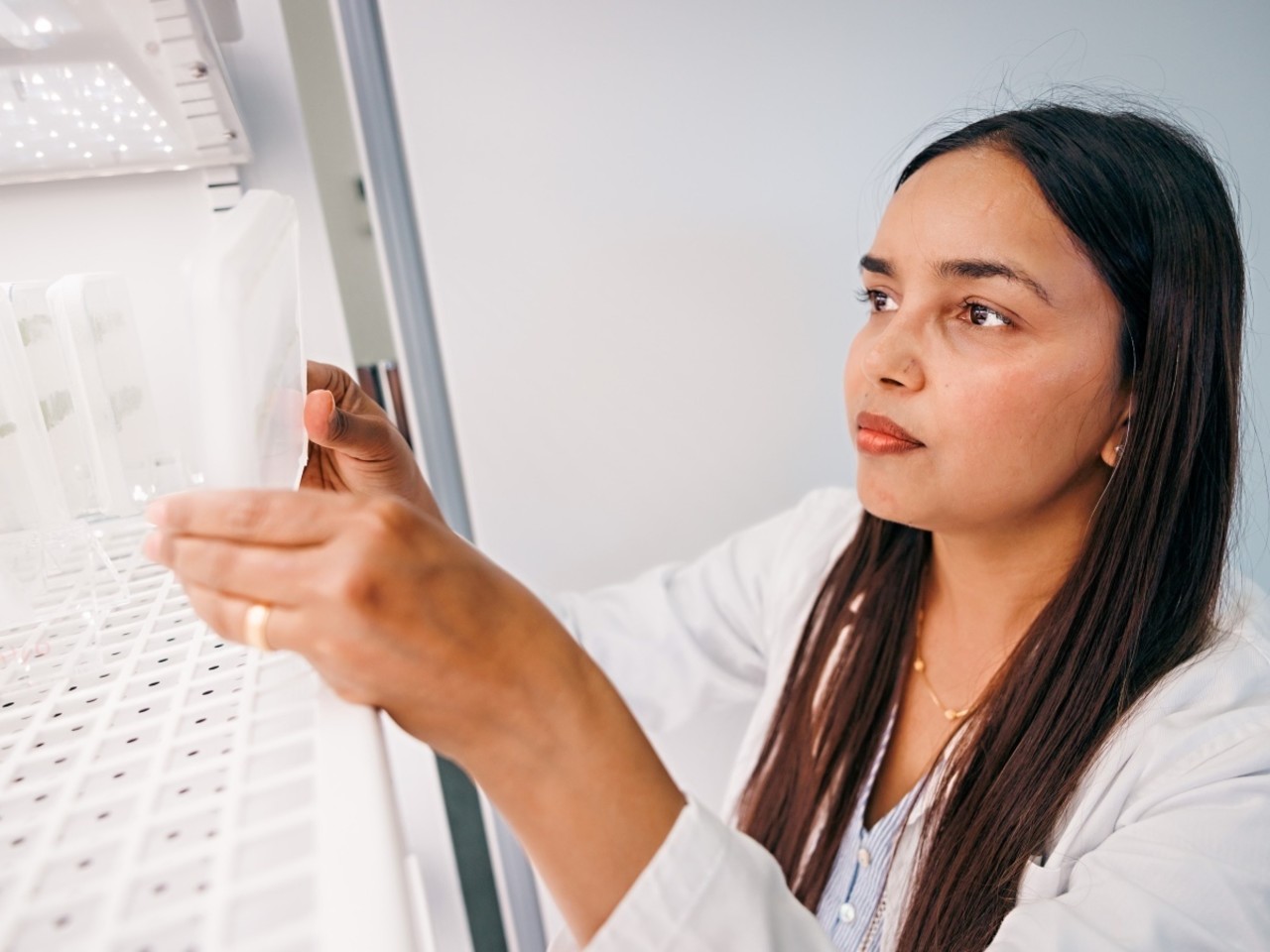
The newly approved European network BIORAG – Biostimulants for Resilient Agriculture – will focus on research into biostimulants that improve nutrient use efficiency and help plants cope better with stressful conditions such as drought, salinity, or temperature extremes. The project responds to the need for European agriculture to reduce the use of mineral fertilisers, improve soil health, strengthen crop resilience to climate change, and, at the same time, maintain high yields with lower inputs. It will link research with industrial partners, regulatory bodies, public policy-makers and other stakeholders from across Europe.
The project’s principal investigator is Shubhpriya Gupta from the Laboratory of Growth Regulators, a joint unit of the Faculty of Science at Palacký University and the Institute of Experimental Botany of the Czech Academy of Sciences, who will chair the project for four years. The project is scheduled to commence on 29 October 2026.
Natural plant support
European agriculture currently faces several major challenges. These include, in particular, the need to reduce the use of mineral fertilisers, improve soil health, increase crop resilience to the impacts of climate change, and, at the same time, maintain high levels of agricultural production. In line with the objectives of the European Green Deal, the European Union aims to reduce the use of chemical fertilisers by approximately 20 per cent by 2030. Biostimulants are among the promising tools that can help achieve these goals.
“Biostimulants can improve nutrient uptake, promote root system growth, increase plants’ tolerance to stressful conditions, influence crop quality and yield, or support the activity of the soil microbiome.” Shubhpriya Gupta
Biostimulants are neither conventional fertilisers nor pesticides. They are substances or microorganisms that support plants’ natural physiological processes. “They can improve nutrient uptake, promote root system growth, increase plants’ tolerance to stressful conditions, influence crop quality and yield, or support the activity of the soil microbiome. These include, for example, beneficial bacteria and fungi, seaweed extracts, humic substances, amino acids and protein hydrolysates,” said Shubhpriya Gupta from the Growth Regulators Laboratory.
BIORAG to harmonise biostimulant research procedures
The BIORAG network aims to address the current fragmentation of biostimulant research and to establish a common European framework for their study and evaluation. It will focus on gaining a better understanding of the mechanisms of action of biostimulants, standardising laboratory and greenhouse bioassays, and developing uniform methods for evaluating their efficacy. Another key aspect will be the transfer of validated methods from model plants to agricultural crops and woody plants, the harmonisation of data and experimental procedures, and support for the registration of new biostimulant products.
The COST Action BIORAG project will be divided into four main working groups. “The first will focus on biostimulants and microorganisms, their identification, characterisation and functional analysis. The second working group will address mechanisms of action, for example, using molecular biology, genetics, biomarkers, microscopy and omics technologies. The third group will concentrate on the application, registration and commercialisation of biostimulants – that is, on translating research findings into agricultural practice, addressing legislative issues and collaborating with industry. The fourth working group will be responsible for communication and the dissemination of results, training, networking, public outreach and collaboration between European institutions,” added Shubhpriya Gupta.
New opportunities for researchers and more resilient agriculture
An important part of the COST Action will also be the support of early-career researchers and the sharing of experience between European research institutions. The project envisages training sessions, workshops, summer schools, short-term research visits and the exchange of experience between laboratories. BIORAG is thus set to contribute not only to advancing research into biostimulants but also to the development of a European community of experts in this rapidly evolving field.
The project’s results are expected to help improve the reliability of biostimulant products, accelerate the development of new products, enhance the reproducibility of experiments and facilitate the registration of biostimulants. In a broader context, the network may help make agriculture more resilient to climate change, reduce the use of mineral fertilisers, and promote sustainable land management.
The BIORAG project (reference number CA25180) was approved under the COST (European Cooperation in Science and Technology) programme. The four-year international network is scheduled to run from 29 October 2026 to 28 October 2030. This is not a traditional research grant, but a European platform that connects researchers, universities, companies, and regulatory bodies. The project’s annual budget for supporting network activities amounts to approximately 140,000–180,000 euros. Funding will be used to support scientific meetings, workshops, training courses, short-term scientific missions (STSMs), conference grants and activities aimed at disseminating the project’s results. The aim is to harmonise research approaches and methodologies and to support the transfer of proven knowledge into agricultural practice.
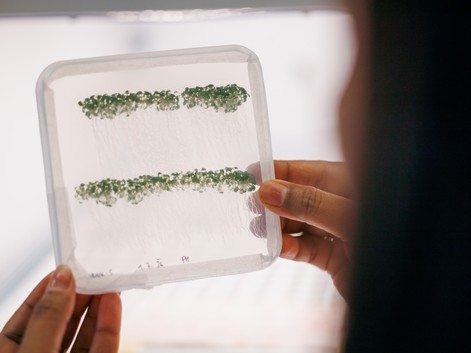
Projekt COST Action BIORAG bude rozdělen do čtyř hlavních pracovních skupin. „První se zaměří na biostimulační látky a mikroorganismy, jejich identifikaci, charakterizaci a funkční analýzy. Druhá pracovní skupina se bude věnovat mechanismům účinku, například s využitím molekulární biologie, genetiky, biomarkerů, mikroskopie a omických technologií. Třetí skupina se soustředí na aplikaci, registraci a komercializaci biostimulantů, tedy na převod výsledků výzkumu do zemědělské praxe, legislativní otázky a spolupráci s průmyslem. Čtvrtá pracovní skupina bude zajišťovat komunikaci a šíření výsledků, vzdělávání, networking, popularizaci a spolupráci mezi evropskými institucemi,“ doplnila Shubhpriya Gupta.
Nové příležitosti pro vědce i odolnější zemědělství
Významnou součástí COST Action bude také podpora mladých vědců a sdílení zkušeností mezi evropskými pracovišti. Projekt počítá se školeními, workshopy, letními školami, krátkodobými vědeckými pobyty i výměnou zkušeností mezi laboratořemi. BIORAG tak má přispět nejen k rozvoji výzkumu biostimulantů, ale také k budování evropské odborné komunity v této rychle se rozvíjející oblasti.
Očekává se, že výsledky projektu pomohou zvýšit spolehlivost biostimulačních přípravků, urychlit vývoj nových produktů, zlepšit reprodukovatelnost experimentů a usnadnit registraci biostimulantů. V širším kontextu může síť přispět k vyšší odolnosti zemědělství vůči klimatické změně, omezení používání minerálních hnojiv a podpoře udržitelného hospodaření s půdou.
Projekt BIORAG s číslem CA25180 byl schválen v rámci programu COST – European Cooperation in Science and Technology. Realizace čtyřleté mezinárodní sítě je plánována od 29. října 2026 do 28. října 2030. Nejde o klasický výzkumný grant, ale o evropskou platformu propojující výzkumníky, univerzity, firmy i regulační instituce. Roční rozpočet projektu na podporu síťových aktivit činí přibližně 140–180 tisíc eur. Financovány z něj budou vědecká setkání, workshopy, vzdělávací školy, krátkodobé vědecké pobyty (Short-Term Scientific Missions, STSM), konferenční granty i aktivity zaměřené na šíření výsledků projektu. Jejím cílem je sjednotit výzkumné přístupy, metodiky a podpořit přenos ověřených poznatků do zemědělské praxe.