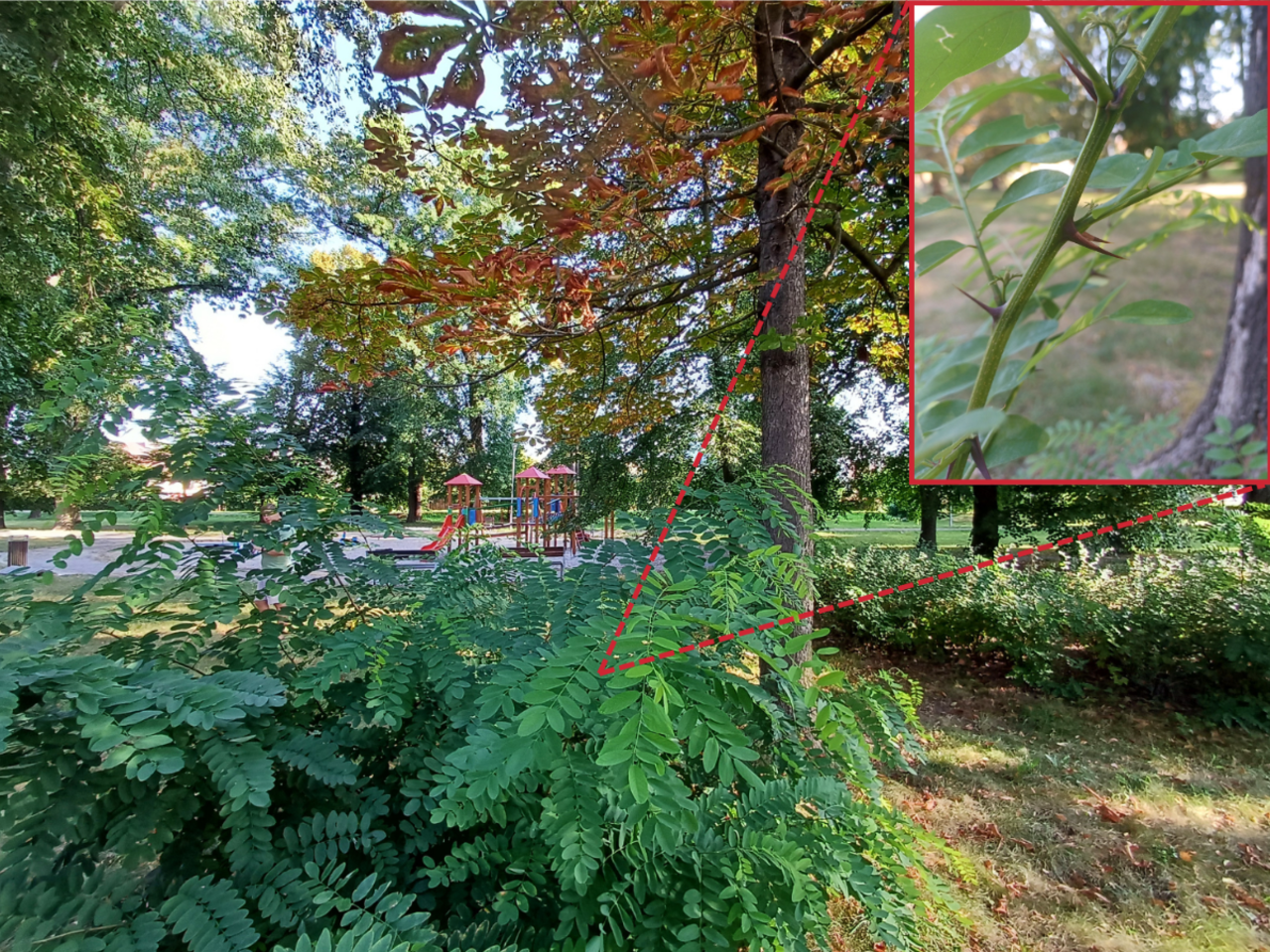
Due to climate change, the urban environment is becoming increasingly inhospitable for native tree species, which struggle to cope with the combination of drought, heat, and other stressors on streets heated by the summer sun. Local governments must therefore gradually adjust the species composition of urban greenery and prioritise more resilient tree species. However, this also carries numerous risks, such as the spread of invasive plant species or the use of trees that have allergenic or toxic effects. A study by researchers from the Department of Geography at Palacký University Faculty of Science highlights this issue.
The research found that the current urban environment imposes extreme demands on trees. The above-ground parts of trees are exposed to higher temperatures, altered precipitation patterns, exhaust fumes, and more frequent physical damage. The situation below the surface is no less problematic, where compacted soil, utility lines, and impervious surfaces constrain roots. This so-called “flowerpot effect” significantly reduces the vitality of trees.
Climate Stress on Urban Trees
“Native species such as linden, maple, and ash trees often exhibit severe physiological stress in urban streets today. They suffer from water shortages, dry out prematurely, and die before they can develop a functional canopy,” said Pavel Klapka from the Department of Geography. While trees were able to cope with individual stressors in the past, their current combination is now critical for them.
Urban planning practices are therefore increasingly opting for non-native tree species from Southern Europe, Asia, or North America, which are genetically better equipped to tolerate drought, high temperatures, and soil salinity. As a result, streets in Czech cities are seeing an increase in species such as hackberry, elm, ginkgo, and certain types of oak and maple. “It’s no longer just a matter of whether a tree can survive the climate stress. We must also assess its biological safety for residents,” noted René Jirmus from the Department of Geography.
Safety Aspects of Urban Vegetation
Non-native tree species can be toxic, produce strong allergens, have thorns, or exhibit invasive behaviour. Scientists are therefore studying their impact on the urban environment and human health and providing local governments with data to help them decide on the composition of public green spaces. At the same time, they emphasise that simply changing tree species is not enough. It is also crucial to transform the underground environment to allow trees to grow sufficiently and maintain a natural water and air regime.
“Dense and overgrown vegetation supports recreation during the day, but at night, it increases the feeling of insecurity. Limited visibility and reduced lighting efficiency heighten the perception of crime risk.” Pavel Klapka
The research also focused on the safety of urban greenery from biological and social risk perspectives. The team developed a biological plant hazard index that evaluates woody plants based on allergenic potential, toxicity, and mechanical risks, such as thorns. For example, in Olomouc, the analysis showed that while modern plantings in playgrounds eliminate visible risks, they are more often composed of species with higher toxicity, of which the public is currently unaware.
How Greenery Affects the Sense of Safety
The researchers also examined how people perceive the safety of green spaces. “Dense and overgrown vegetation promotes recreation during the day, but at night, it increases the feeling of insecurity. Limited visibility and dim lighting heighten perceptions of crime risk. “The design of greenery thus directly influences people’s behaviour and their sense of safety,” noted Pavel Klapka.
Experts also warned against the widespread removal of greenery from public spaces. Such an approach can lead to urban heat islands and a decline in quality of life. “The absence of shade often poses a greater health risk than the vegetation itself,” emphasised René Jirmus.
The research findings are intended to help cities manage the ongoing transformation of green infrastructure. The goal is to establish a composition and maintenance regimen for green spaces that is climate-resilient, ecologically functional, and safe for residents.