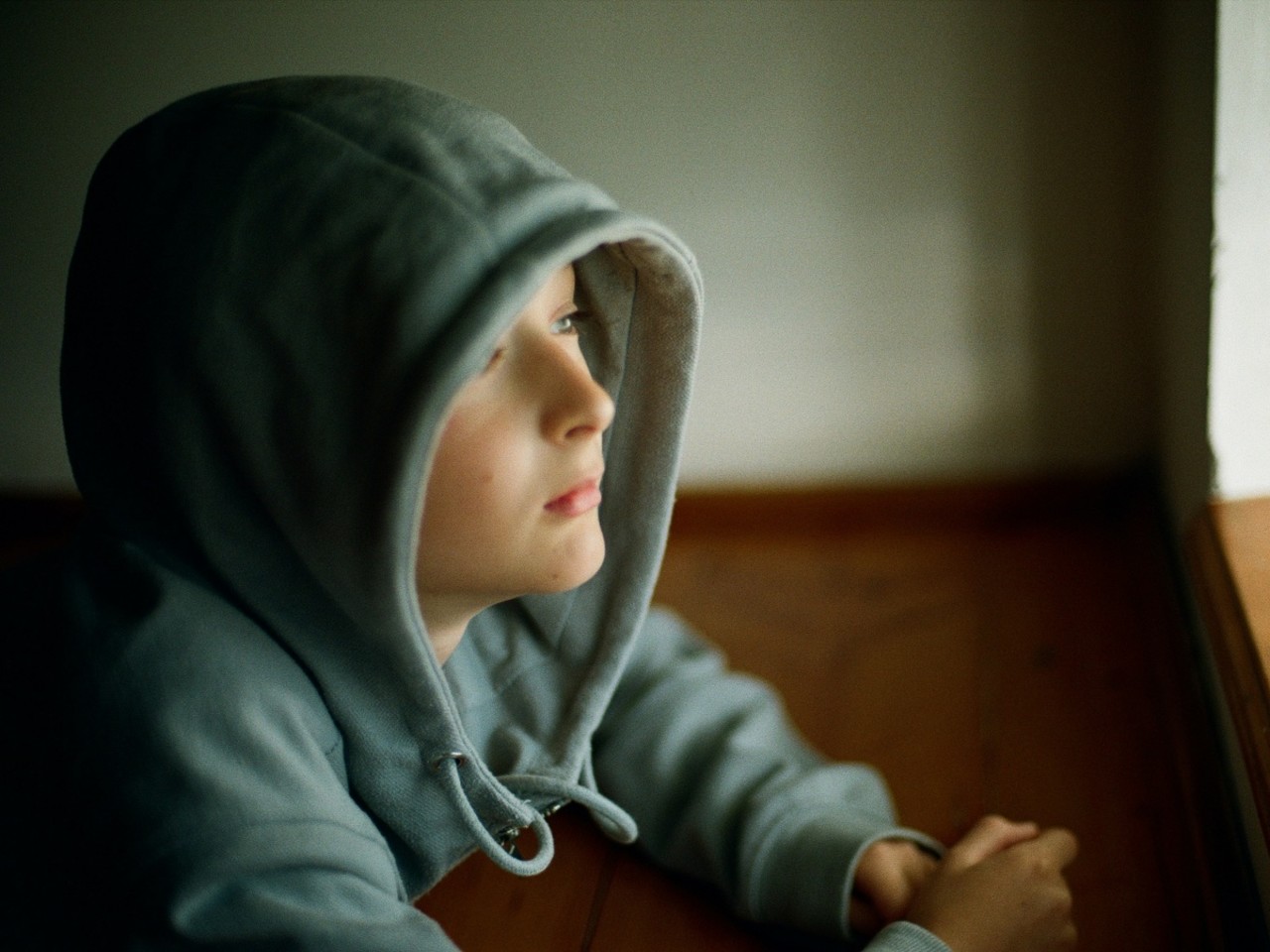
How does family background affect the health and well-being of Czech children? Significantly. The quality of life for adolescents in the Czech Republic is not determined solely by their individual decisions but is fundamentally linked to the socioeconomic situation of the family they come from. The latest data from the international HBSC (Health Behaviour in School-aged Children) study, coordinated in the Czech Republic by a research team from Palacký University, confirm that family background is a key factor that influences the mental health, eating habits, and physical activity of Czech schoolchildren.
Children from less affluent families face significantly higher health risks than their better-off peers. For example, their risk of depression is 57% higher, and the difference is also evident in their overall outlook on life—children with lower socioeconomic status have roughly half the chance of high life satisfaction.
“It turns out that socioeconomic status is not just a matter of being on the poor-to-rich spectrum. It is a factor that significantly influences the level of stress children face as they enter adolescence. If we truly want to address children’s mental health and well-being, we must focus on systemic support for those who start from less advantageous positions,” says Dita Protopopová, national coordinator for mental health policy.
Inequalities are also evident in physical health—children from disadvantaged backgrounds are nearly twice as likely to be overweight or obese. The study challenges the assumption that the cost of sports in clubs or after-school programs is a barrier to physical activity. Differences in physical activity stem more from differing family habits and attitudes toward health as a priority. Children from socially and economically disadvantaged families also more often lack the “healthy balance” in their diets that fruits and vegetables provide, which their wealthier peers commonly consume.
The Czech Paradox: Material Average and Unequal Life Chances
In terms of material well-being, the Czech Republic ranks in the middle of the pack in international comparisons (alongside countries like Finland, Spain, and England). Yet in Czech society, family background determines, for example, children’s future academic success and mental well-being far more strongly than in many other similarly developed countries.
“In terms of the impact of social and economic inequalities on children’s mental health or their success in school, the Czech Republic is among the countries with significant disparities. Our goal must be to reduce them. Even in a country with very decent material security, these factors still too often determine children’s starting point and their life experiences,” explains Pavla Gomba, Executive Director of UNICEF Czech Republic.
School and Teachers as an Anchor of Stability
School remains a significant stabilising factor for disadvantaged children. Trust in teachers is higher among children from less affluent families than among those from well-off families. Children from weaker socioeconomic backgrounds perceive a higher level of support from their teachers than their wealthier peers (38% vs. 33%) and also trust teachers more; this applies to 56% of children from disadvantaged backgrounds, which is eight percentage points higher than among children from the most affluent families (48%).
“It appears that Czech schools are able to at least partially bridge social divides by offering a kind of relational anchor where other sources of support are weak. Teachers here do not function merely as those who impart knowledge, but as key guides who provide disadvantaged children with a sense of stability that may not be a given in their home environment,” concludes Michal Kalman, head of the HBSC research team at the Institute of Social Health (OUSHI) of the Cyril and Methodius Faculty of Theology at Palacký University.
Socioeconomic disadvantage manifests itself in the school environment as a double burden: Children from lower-status families achieve, on average, poorer academic results—49% of them have average or below-average grades, while among children from well-off families, this figure is “only” 37%. At the same time, these children feel less supported by their peers—adolescents from better-off backgrounds are 34% more likely to have positive peer relationships.
“The HBSC report represents an important milestone because it provides the first comprehensive analysis of socioeconomic inequalities and their impacts on children’s health and behaviour in the Czech Republic. It clearly shows that social background matters: children growing up in less favourable conditions face a higher risk of unhealthy behaviour and subsequent health problems. Risky behaviours, such as smoking or alcohol use, as well as differences in physical activity and nutrition, are significantly influenced by the environment in which children grow up. “The findings presented in this report should therefore serve as a clear call for cross-sectoral action to create a supportive environment for children, limit harmful influences, and ensure that every child has an equal chance to grow up healthy and thrive,” said Zsofia Pusztai, Head of the WHO Office in the Czech Republic.
The HBSC epidemiological study examines a wide range of lifestyle aspects among children and adolescents aged 11–15 in the Czech Republic and nearly 50 other countries worldwide. It is conducted in collaboration with the World Health Organisation (WHO). A research team from Palacký University in Olomouc has been conducting long-term monitoring of factors influencing the health of Czech schoolchildren aged 11, 13, and 15. In the current study, data were collected from nearly 15,000 children at 250 schools of various types throughout the Czech Republic. This extensive research among Czech schoolchildren was supported by the EU through the Jan Amos Komenský – Top-Level Research Operational Programme via the DigiWELL project. The HBSC study researchers publish their findings in a clear and engaging format on the Healthy Generation website.