Due to the ongoing war, the number of Ukrainian students at Palacký University has increased. At the Department of Slavic Studies in the Faculty of Arts at Palacký University, this situation has also turned into an unexpected opportunity. Here, Ukrainian students are translating selected Czech legal regulations into their native language. In doing so, they are contributing to the reforms necessary for Ukraine’s accession to the European Union.
The Department of Slavic Studies at the UP Faculty of Arts has joined the project Czech Legislative Assistance to Ukraine, which aims to support Ukrainian lawmakers in preparing the reforms necessary to align with the European legal system. Students enrolled in the course Professional Text Translation 4 (KSU/7POT4) are participating in the project. There are ten native Ukrainian speakers.
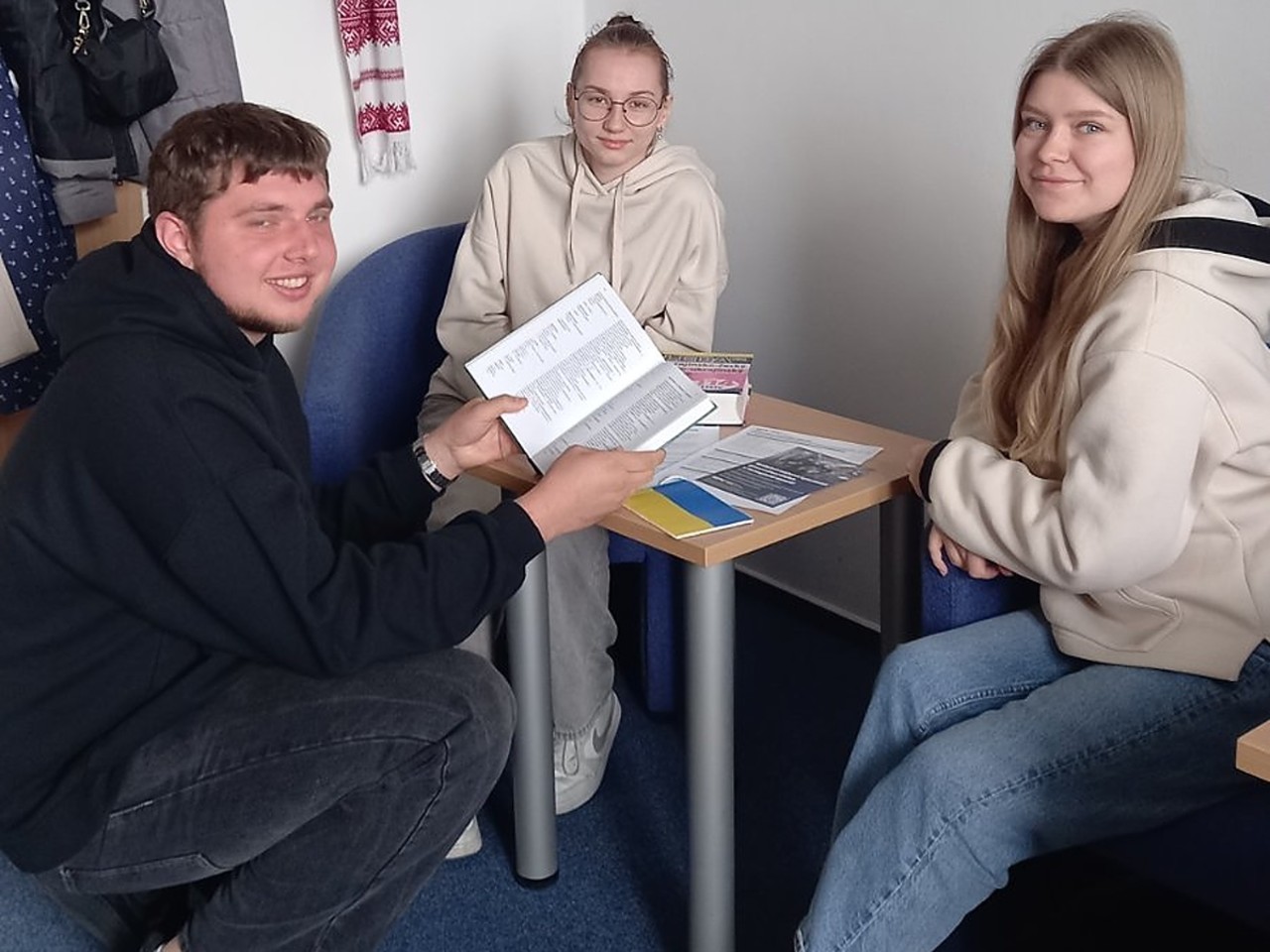
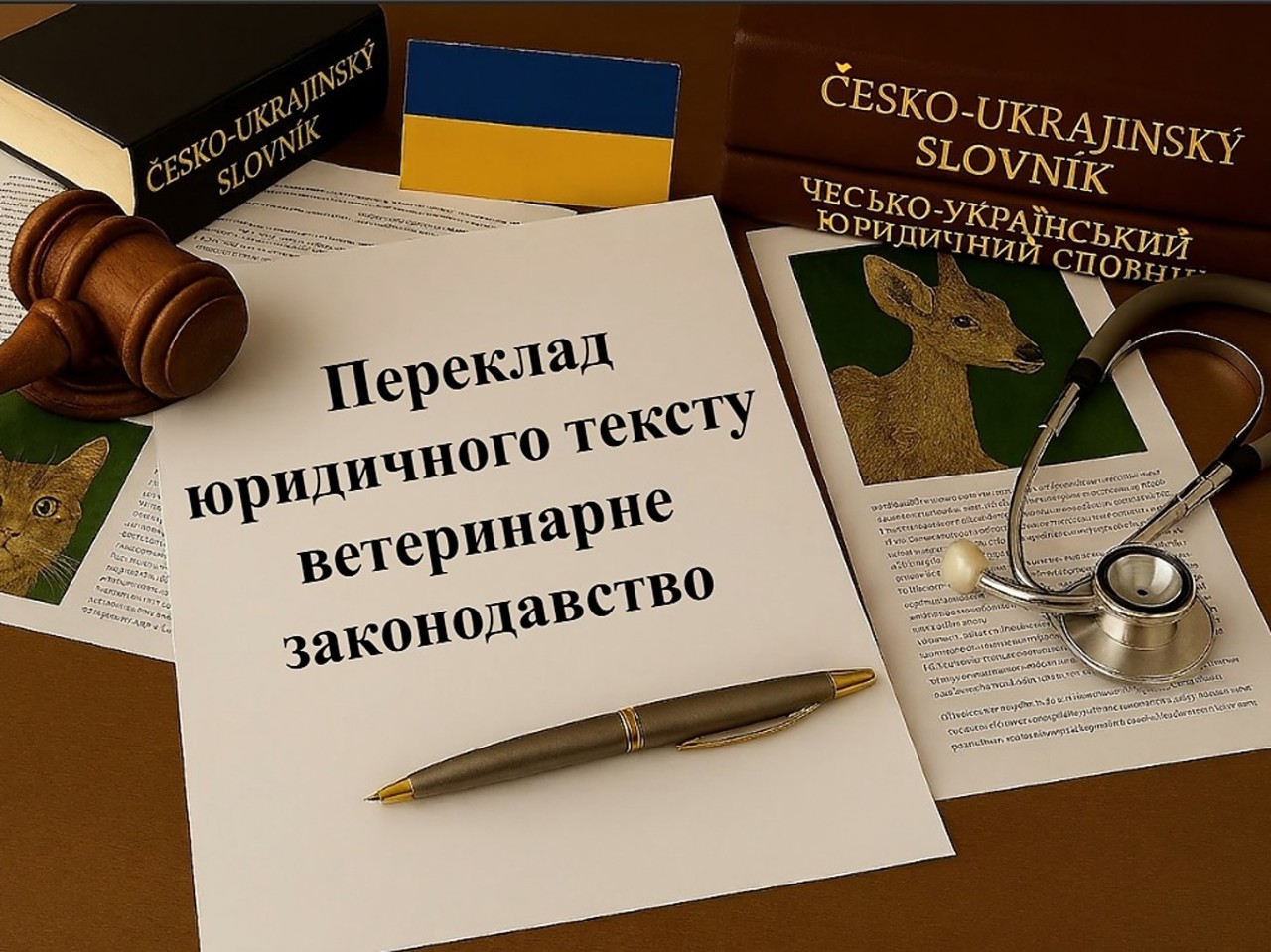
As part of their studies, they translate selected Czech laws, for example, in the areas of animal protection, hunting, nature and landscape conservation, or veterinary care. The completed translations are then reviewed by a Ukrainian lawyer and subsequently forwarded to government institutions in Kyiv. There, they serve as a basis for preparing and approving new legislation.
For their work, students receive not only a course grade and three credits, but also a certificate of completion of the translation practicum.
“We joined the project because we can take advantage of the presence of native Ukrainian speakers who know Czech. Under expert guidance, they are able to translate legal texts into a form that a Ukrainian lawyer needs only to review and forward to the relevant institutions. For the students, it is also an opportunity to help their country while studying in the Czech Republic,” said Radana Merzová, head of the Ukrainian Studies section at the department.
The project combines teaching with practical experience and also represents a concrete contribution by the university to supporting Ukraine during this difficult period. It builds on a cooperation agreement between Palacký University and the International Institute for Development and Transformation Cooperation.